

Knowing your frequency and testing volumes
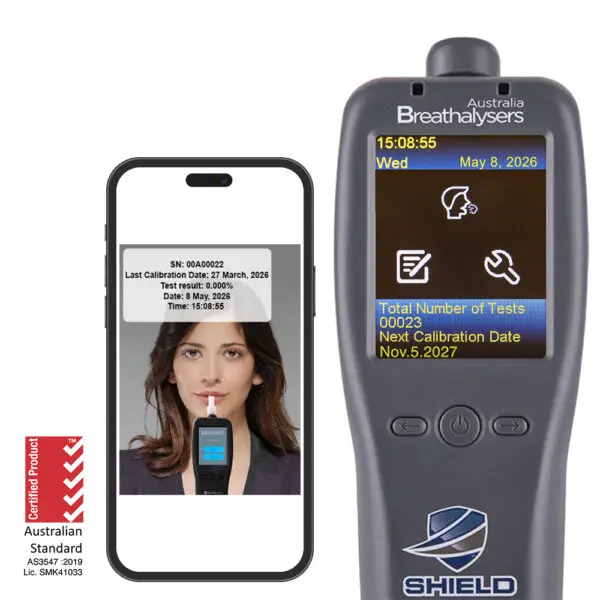
Evaluate the number of employees you intend to test and the frequency of testing. Programs with lower volumes or those that involve random testing may be adequately supported by a single hand-held device. Conversely, high-throughput settings, such as large facilities or shift transitions with numerous workers, gain advantages from a device that offers quicker testing modes and a higher daily capacity. For remote or mobile workforces, it is essential to determine if the device allows for remote self-testing, enabling individuals to conduct their own tests from any location, capture a photo for identity verification, and submit the results through a companion application when required.
Is certification in Australian Standards a necessity for your workplace?
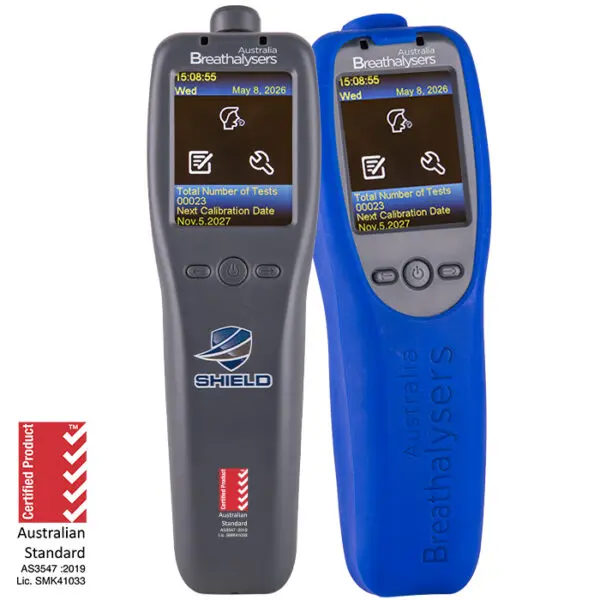
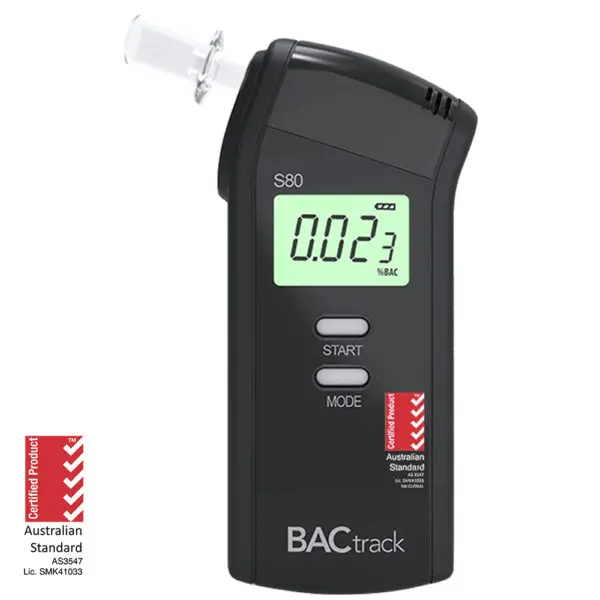
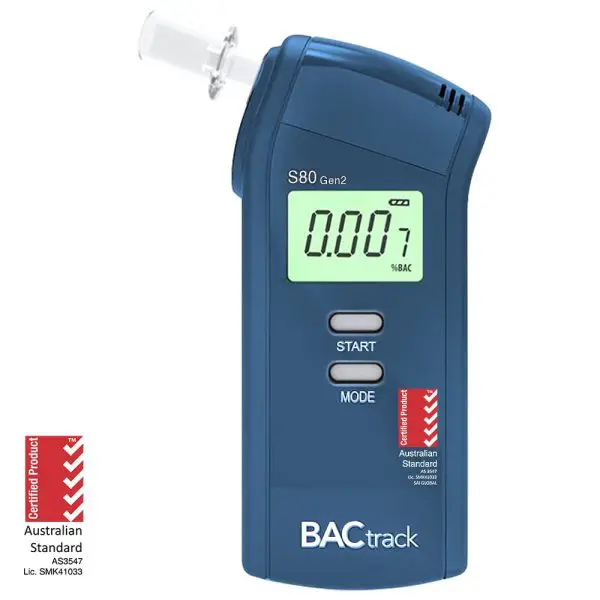
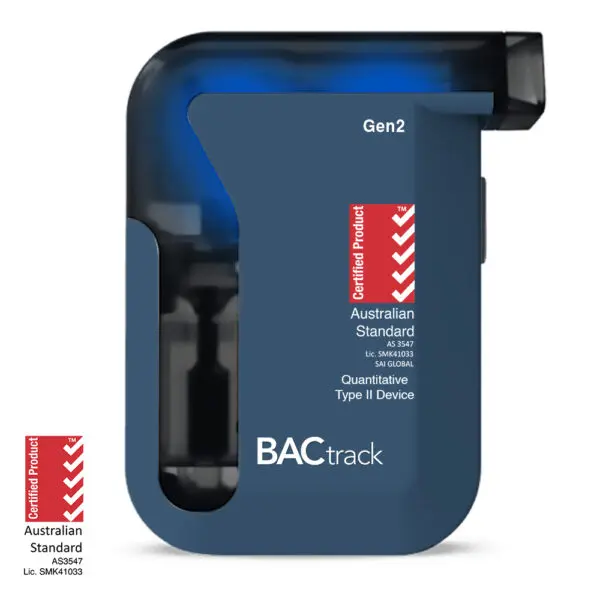
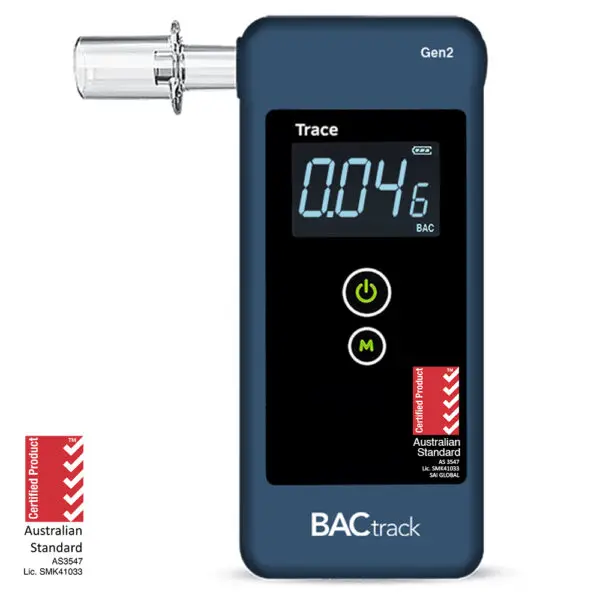
Devices certified under AS3547 comply with the national standards for alcohol testing in the workplace and are mandated in various industries and legal situations. It is crucial to examine your drug and alcohol policy to confirm that the certification criteria aligns with the device you plan to purchase. For example, this could be “AS3547” or “AS3547: 2019”. Of note there is no New Zealand Standard for breath testing and as such the Australian Standard is commonly used.
Do you need photo verification of the person being tested?
In settings where accountability is paramount, particularly in high-risk sectors or within legal and law enforcement contexts, the ability to use photo identification guarantees that test outcomes are undeniably associated with the individual. Certain devices offer this functionality via a companion application.
Is testing speed important?
Conventional breathalyzers necessitate that the individual actively exhales into the apparatus, which prolongs the testing process for larger groups. In contrast, devices equipped with passive testing capabilities can evaluate a subject by merely collecting ambient breath, significantly decreasing the time required for each test and minimizing operational disruptions. Furthermore, passive testing devices are less invasive for the individual undergoing the test.
Do you need to store and manage test records?
Certain workplace breathalyzers have the capability to internally store test records and facilitate data downloads and management through a PC or mobile application. This feature can be crucial for compliance reporting, conducting audits, or overseeing a continuous testing program across various locations or supervisors.
Brand recognition and a proven track record in workplace testing
Workplace breathalyzers are essential safety devices. Seek a brand that has a proven track record of providing equipment to law enforcement, emergency services, and regulated sectors. A brand recognized internationally is more likely to provide improved technology, authentic recalibration services, a substantial warranty, and continuous technical support, all of which are crucial when the accuracy of your testing program is paramount.
Considering the ongoing costs after the initial purchase
All breathalyzers necessitate regular recalibration to ensure precision. It is important to verify the suggested recalibration frequency and expenses for any device you are evaluating, as this can influence the overall cost of ownership. Additionally, take into account the price and accessibility of replacement mouthpieces based on your anticipated testing volume. Passive devices will require considerably fewer mouthpieces.