
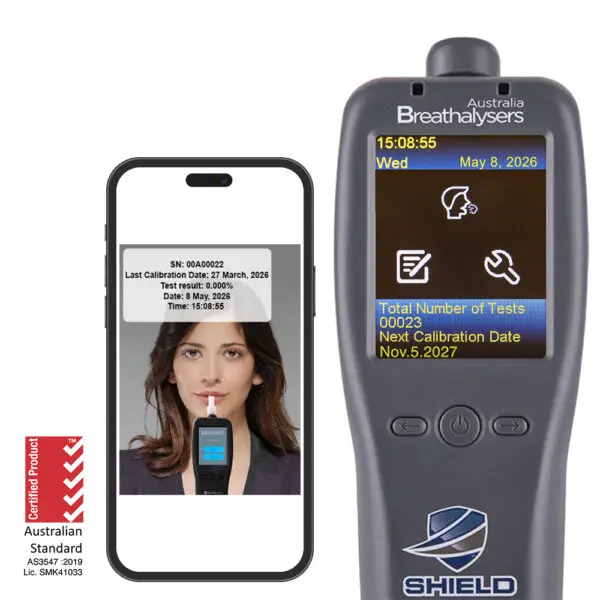
Alcohol Test Compliance Guide
Support in developing breath testing policies and procedures to help achieve adherence to workplace health and safety regulations.

Workplace Breathalyzer Compliance Guide
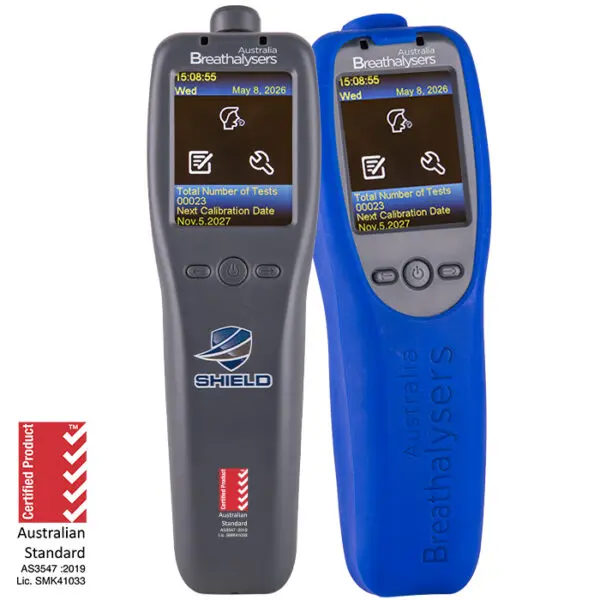
Governing Standard: AS3547:2019
1. Purpose
This document outlines the requirements for performing workplace breath alcohol testing in accordance with AS3547:2019. It is applicable to all individuals responsible for acquiring devices, executing tests, maintaining equipment, or overseeing results.
2. The AS3547:2019 Standard
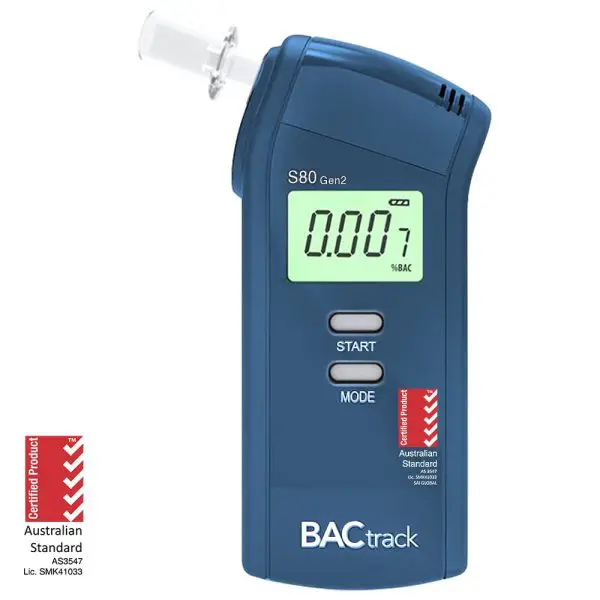
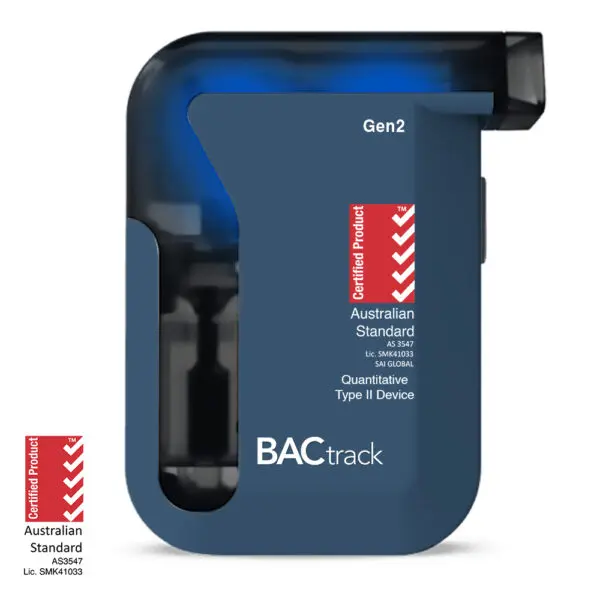
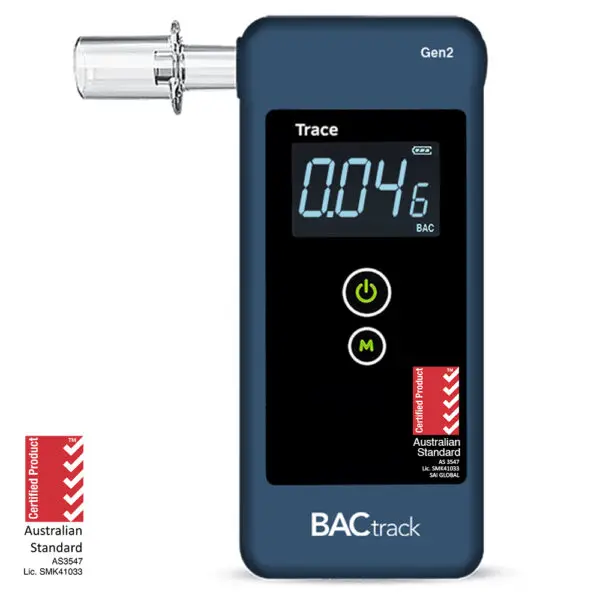
AS3547 represents Australia’s National Standard which is commonly adopted in New Zealand for breath testing devices and is certified by SAI Global, an independent organization, to guarantee quality and compliance prior to the issuance of certification. It specifies performance criteria for breathalyzers utilized in workplace testing, medical testing, and personal testing. The 2019 update eliminated single-use disposable devices from the list of approved equipment and standardized measurement units to g/210L.
Although certification is not mandated by law, it is highly recommended and increasingly anticipated by regulatory bodies.
Device types included by AS3547:2019
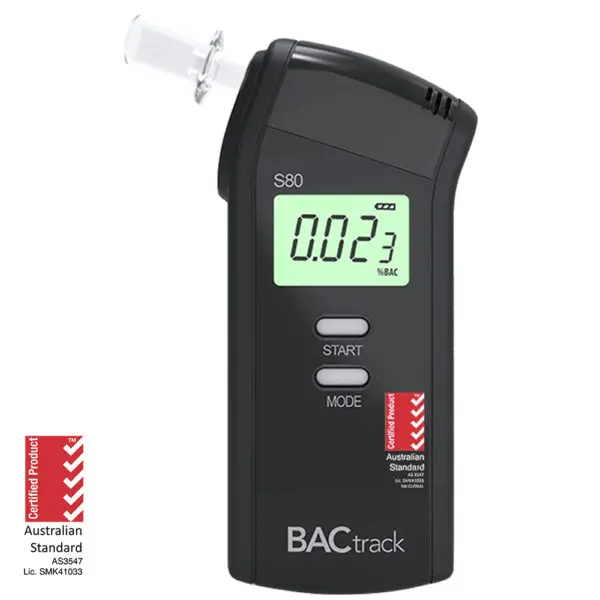
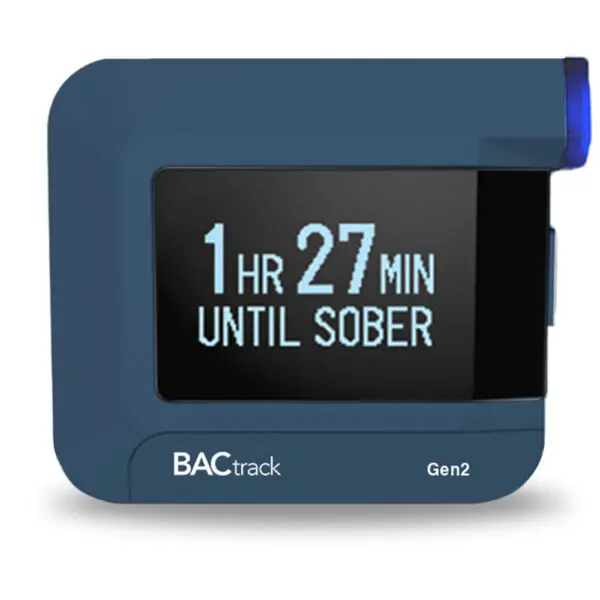
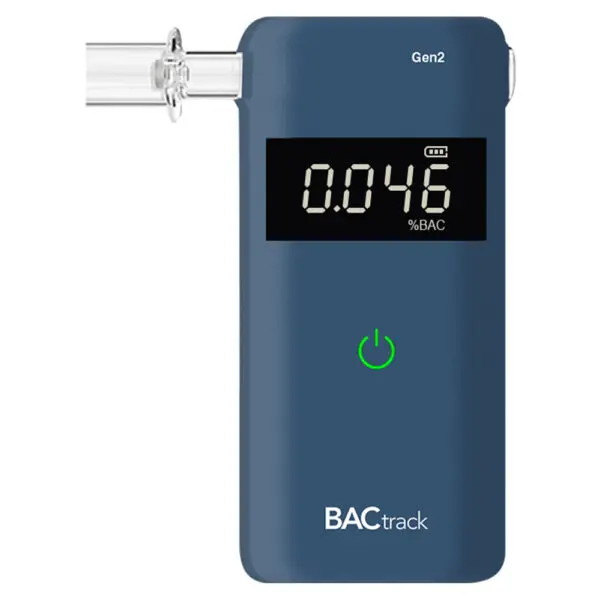
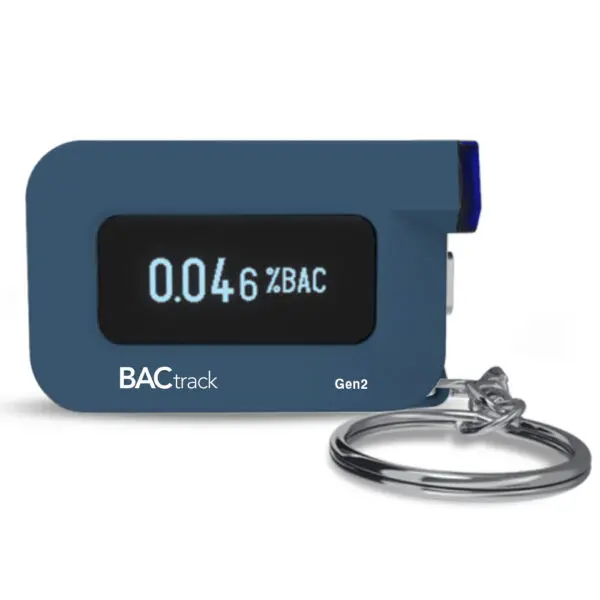
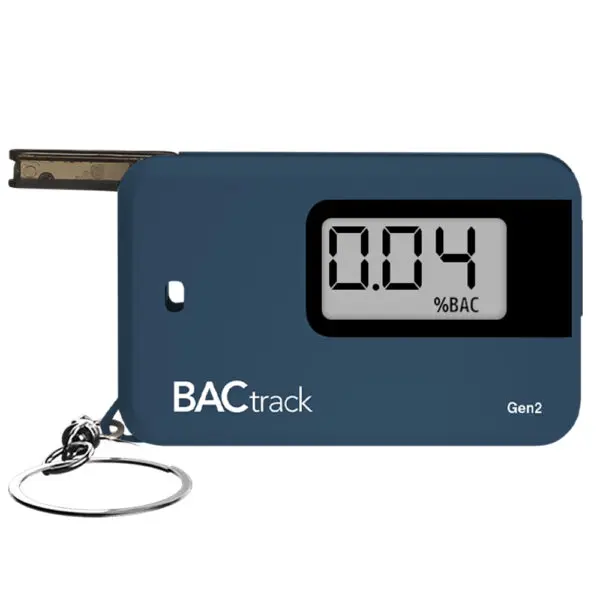
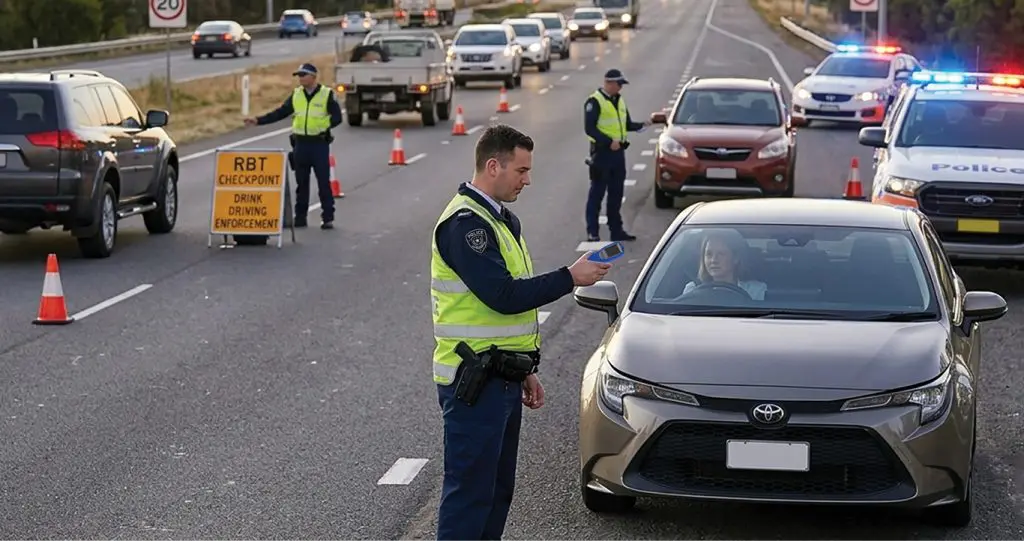
• Type 2 — Portable handheld devices intended for on-site workplace screening
• Type 3 — Fixed or wall-mounted devices located at permanent testing stations
• Type 4 — Interlock devices that regulate access to vehicles or machinery
3. Accuracy Requirements
Devices are required to measure with precision to three decimal places (0.000 g/210L). The Maximum Permissible Error (MPE) is defined as follows:
• For measurements ranging from 0.000 to 0.050 g/210L: MPE of ±0.005 g/210L
• For measurements exceeding 0.050 g/210L: MPE of ±10% of the recorded value
Results should be generated within 1 minute, unless the reading surpasses 0.100 g/210L, in which case a maximum of 3 minutes is permissible for the device to recycle.
4. Testing Procedure
Before the test
• Verify that the device is within its valid calibration period
• Document the device’s serial number and the date when calibration is due
• Ensure that at least 15 minutes have passed since the individual last consumed food, beverages, smoked, or used any oral products
• Perform the test in an environment free from strong fumes or airborne contaminants
• Confirm that there is no alcohol present in the testing area
During the test
• Passive screening alone is insufficient — always follow up with an active mouthpiece test
• Utilize a single-use mouthpiece
• Instruct the donor to exhale steadily until the device indicates completion
• Immediately record the result
Handling results
• If alcohol is not detected: no further action is necessary — simply record and retain the result
• If alcohol is detected: perform a second confirmatory test after a minimum waiting period of 15 minutes
• If confirmed alcohol is detected: remove the individual from safety-sensitive responsibilities, arrange for safe transportation, and adhere to the workplace policy response protocol
No disciplinary measures should be implemented based solely on a single test result. A confirmed second test is essential.
5. Calibration and Maintenance
• Minimum calibration interval: every 6 months (mandatory under AS3547)
• General recommendation: annually or according to manufacturer specifications
• The device must undergo a pre-use check prior to each testing session
• Service must be performed by an accredited calibration provider
• Devices that do not pass calibration must be removed from use immediately
Maintain a calibration log for each device, documenting: serial number, calibration date, next due date, and service provider.
6. Roles and Responsibilities
Employer / PCBU
• Acquire AS3547-certified devices and uphold calibration schedules
• Appoint trained and qualified testers
• Preserve all test and calibration records for a minimum duration of 7 years
• Uphold a current drug and alcohol policy that references AS3547
Tester
• Verify the calibration status of the device before each session
• Adhere to the testing procedure as outlined
• Accurately document all results and manage alcohol-detected results according to the escalation process
Employee
• Adhere to the workplace drug and alcohol policy
• Have the right to have a support person present during testing
• Have the right to disclose relevant medications following an alcohol-detected result
• Have the right to request a retest through the established grievance process
7. Record Keeping and Privacy
• Test log: includes date, time, tester ID, device ID, BAC result, and outcome
• Calibration log: contains serial number, calibration date, next due date, and service provider
• Incident log: records alcohol detected / alcohol not detected, retests, actions taken, and referral outcomes
• Minimum retention period: 7 years (in accordance with the WHS Act)
All results constitute health information safeguarded under the Privacy Act 1988. Access to these results is restricted to authorized personnel and must be securely stored, distinct from general employment records.
8. Regulatory References
• AS3547:2019 — Breath testing devices, Australian national standard
• Privacy Act 1988
• SAI Global Certification Register: saiglobal.com
This information is intended solely as a guide. It is advisable to seek independent counsel when making decisions.

Australian Standards Certified
Breathalyzers New Zealand is an Australian Standards-certified company that produces Australian Standards-certified products.
Explore Our Range of Australian Standard Compliant Breathalyzers