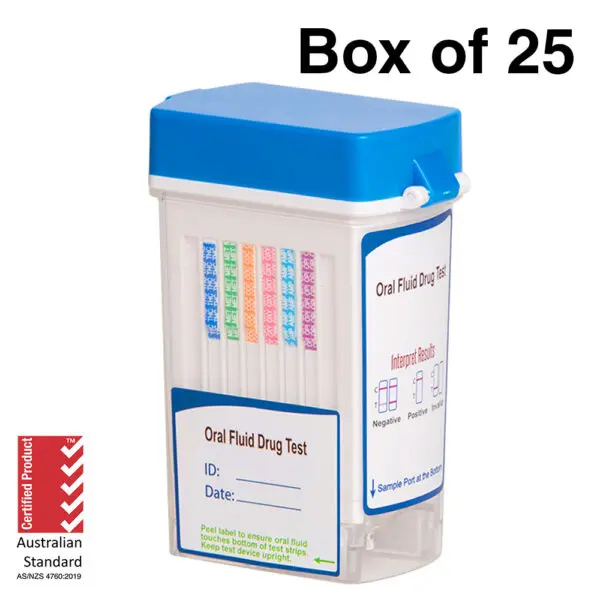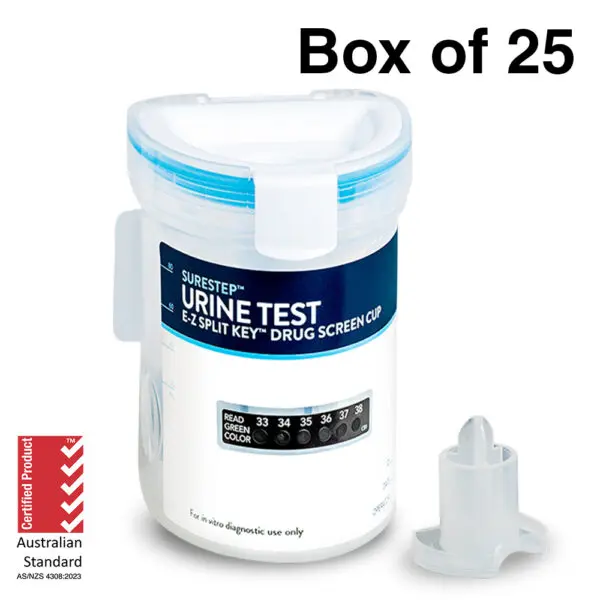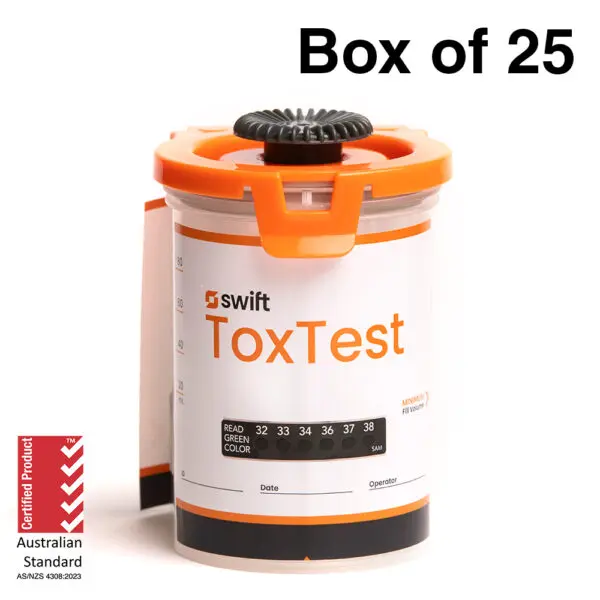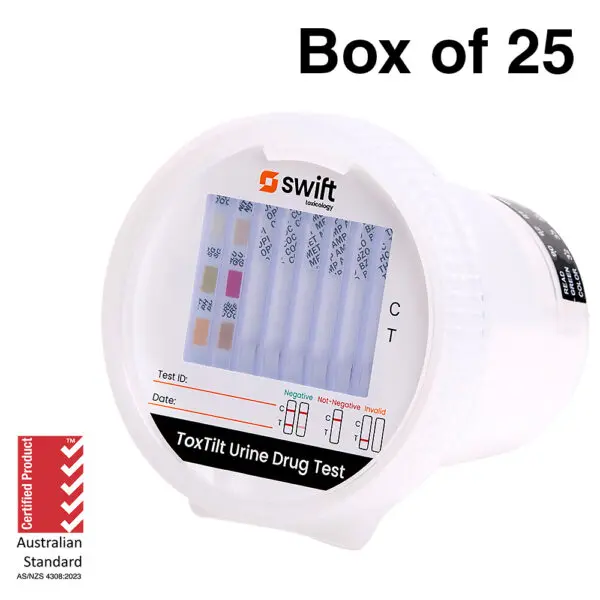
Will you be conducting tests on urine or saliva samples?
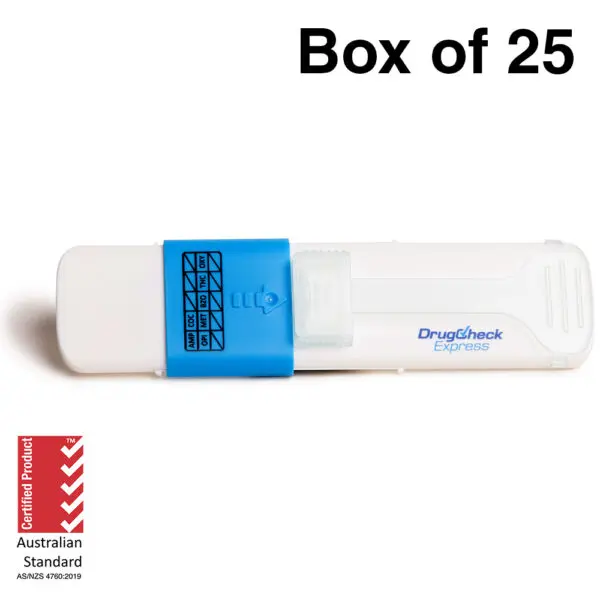
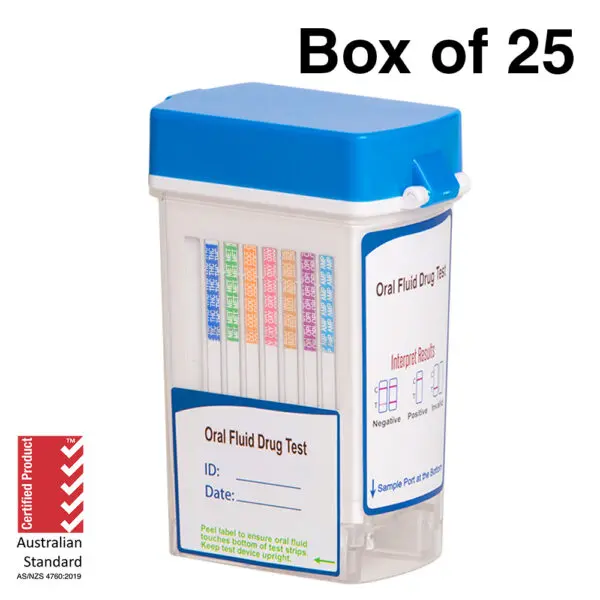
This is a crucial decision. Urine testing typically offers a longer detection period, which makes it effective for identifying past or habitual drug use. In contrast, saliva testing is more adept at identifying recent drug use and is more appropriate for evaluating potential impairment at the time of testing. Additionally, saliva testing is less invasive and simpler to monitor, as the sample is obtained directly under supervision.
Are you requiring the detection of recent or historical drug use?
Saliva tests are specifically designed to detect drugs consumed within the last 24 to 48 hours, which makes them ideal for workplaces that prioritize current impairment. In contrast, urine tests provide a wider detection window, potentially spanning several days to weeks based on the substance and frequency of use, making them more suitable for situations where a longer history of drug use is required.
How many drug classes do you need to screen for?
Evaluate whether a 6-panel or 7-panel test aligns better with your workplace policy. Our selection of both urine and saliva tests routinely screens for cannabis (THC), methamphetamines, cocaine, amphetamines, and opiates. The difference between 6-panel and 7-panel tests lies in the additional drug classes they cover — such as oxycodone or benzodiazepines — which differ by product. Generally, the New Zealand workplace sector employs a 6-panel test for both urine and saliva analysis.
Is the integrity of samples and tamper detection crucial for your testing environment?
Urine drug test cups differ in their ability to detect adulterants. Certain products come equipped with built-in adulterant test strips that identify prevalent methods of sample tampering, including dilution, substitution, or chemical adulteration. If your testing program necessitates a reliable chain of custody or confirmation laboratory testing, seek a product that facilitates split specimen collection.
How quickly do you require results?
Most onsite drug testing kits provide outcomes in 5 to 10 minutes. However, if a quick turnaround is essential — such as in high-volume screening settings or situations where immediate decisions are necessary — certain saliva testing technologies can yield negative results in as little as 2 minutes. It is important to evaluate how the speed of testing will influence your workflow prior to making your choice.
Is your workplace obligated to conduct testing in accordance with New Zealand Standards?
All drug testing products offered by Breathalysers New Zealand are certified to comply with either AS/NZS 4308:2023 (urine) or AS/NZS 4760:2019 (saliva), which represent the most current New Zealand Standards. If your drug and alcohol policy specifies a certain Standard, it is essential to align your product choices with that particular Standard.
Does my organization require training to conduct drug testing?
HLTPAT010 is the nationally recognized training unit in New Zealand for the collection of specimens for drug-of-abuse testing. Although it may not be a legal obligation, undertaking this training is regarded as best practice for drug testing programs in the workplace. The course encompasses specimen collection, testing protocols, chain of custody regulations, and adherence to New Zealand Standards.
How many tests do you expect to perform?
All products are packaged in boxes containing 25 units. If your organization engages in regular or high-volume testing, you may benefit from bulk purchasing discounts, which can greatly lower your cost per test. When planning your inventory needs, take into account your expected testing frequency.