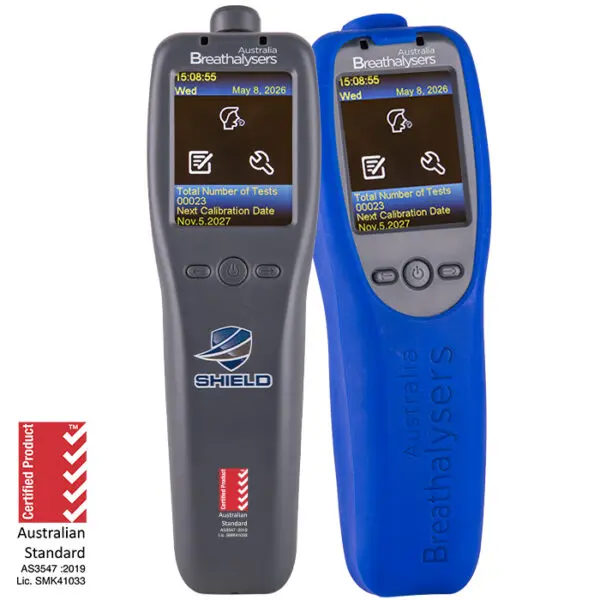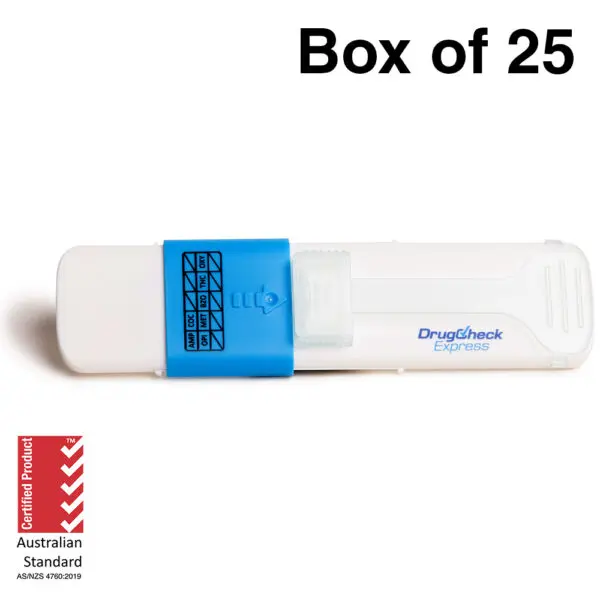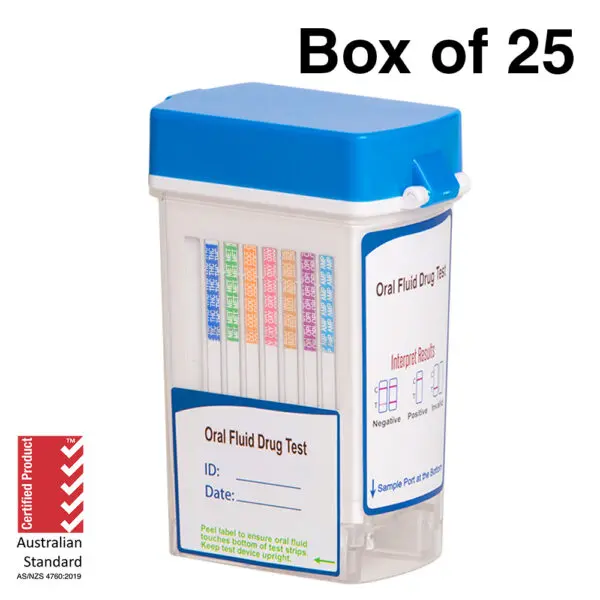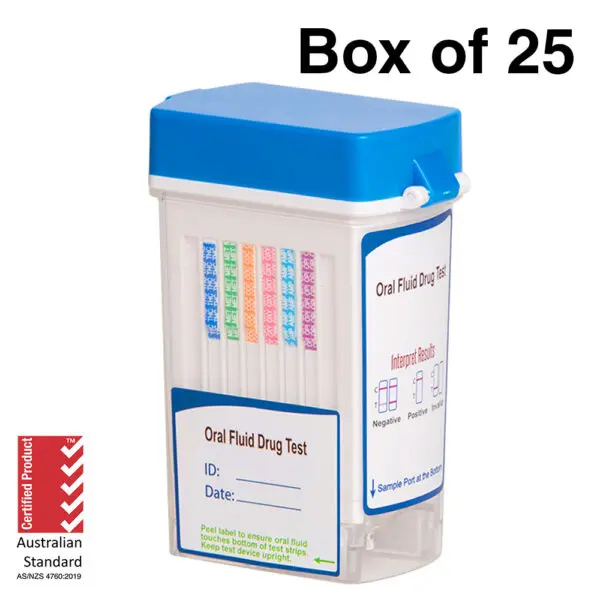
AS3547 Australian Standard for Breath Alcohol Testing Devices

AS3547 Australian Standard for Breath Alcohol Testing Devices
The implementation of workplace alcohol testing has become crucial for ensuring safety and regulatory compliance across all sectors in New Zealand. The AS3547 Standard guarantees that testing devices operate consistently and retain their effectiveness under various conditions while conforming to New Zealand performance standards.
SAI Global performs certification in accordance with the requirements of the Standards to ensure compliance and quality assurance. The 5 Ticks StandardsMark™ is awarded only after successful certification and is recognised as the leading Standards Mark in New Zealand.
Requirements for Compliance with AS3547 Standards
The AS3547 Standards outline essential criteria for breath testing devices, emphasising key factors such as:
1. Accuracy
2. Reliability
3. Calibration stability
4. Environmental durability; and
5. Data integrity
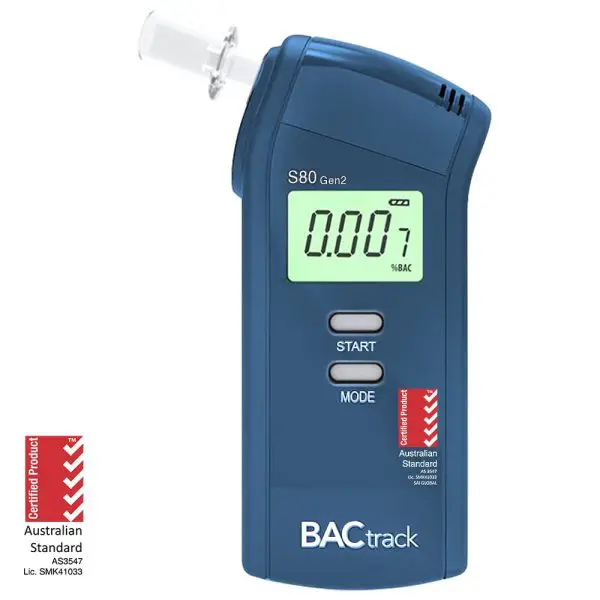
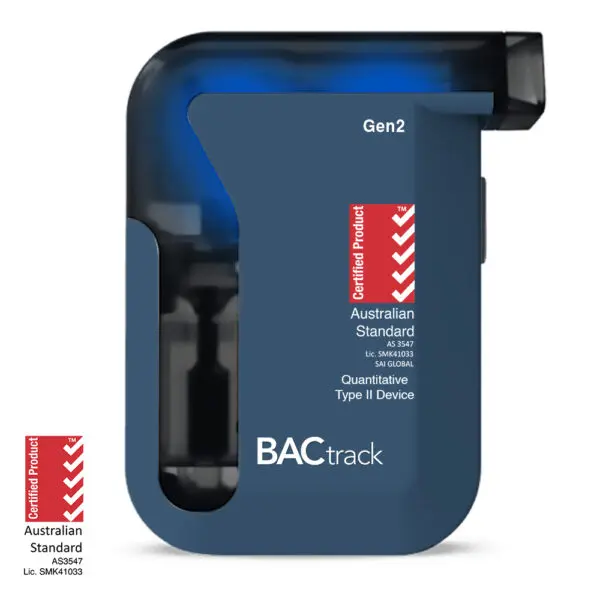
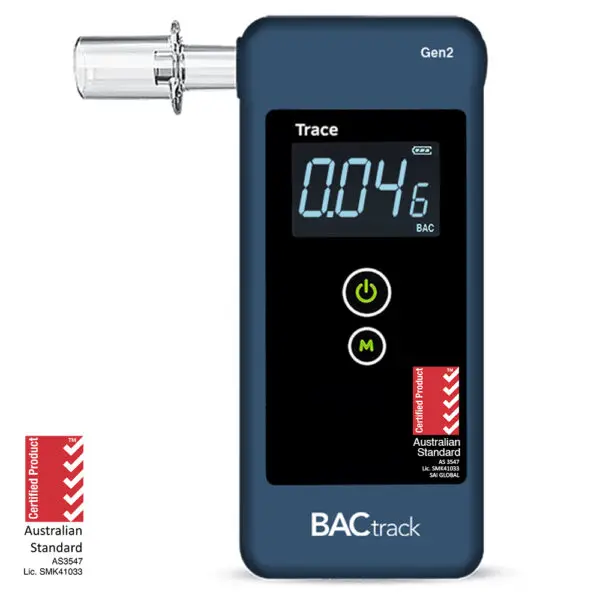
Under the Australian Standard AS3547, breathalyzers are categorized into four distinct types, applicable to both personal and industrial uses. This Standard delineates the essential requirements to be met, ensuring a consistent level of quality and reliability.
Type 1 – Disposable Single-Use Breathalyzers
The AS3547:2019 Standard variant has eliminated disposable single-use devices.
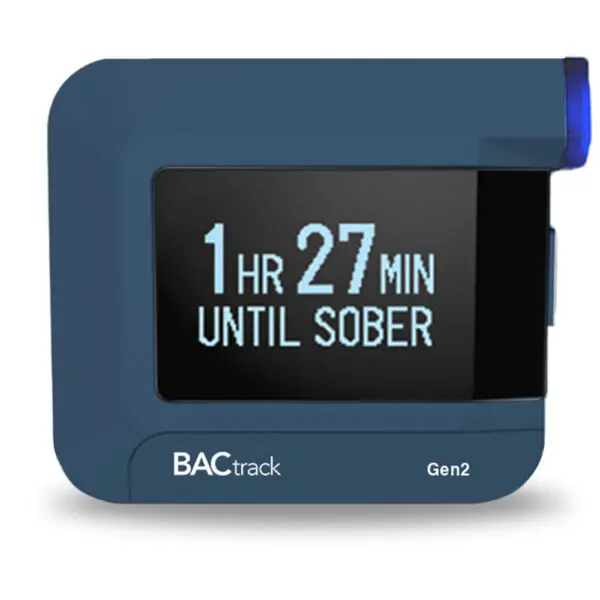
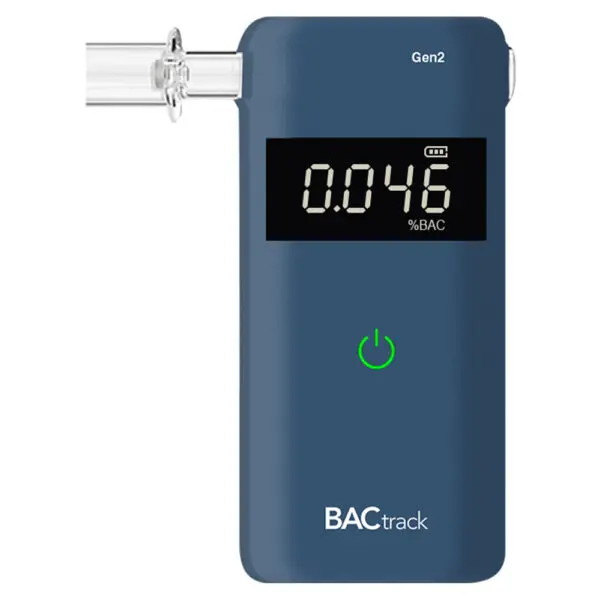
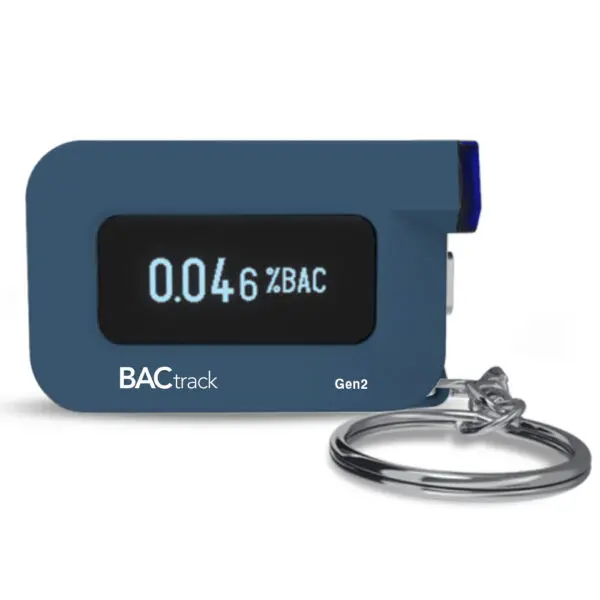
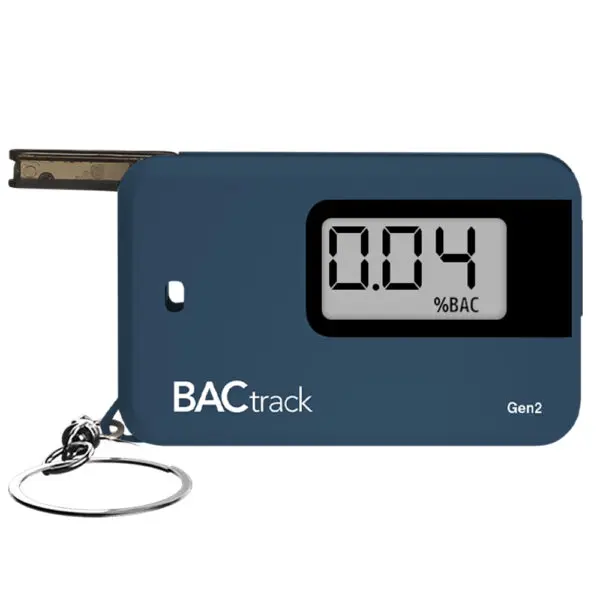
Type 2 – Portable Handheld Devices
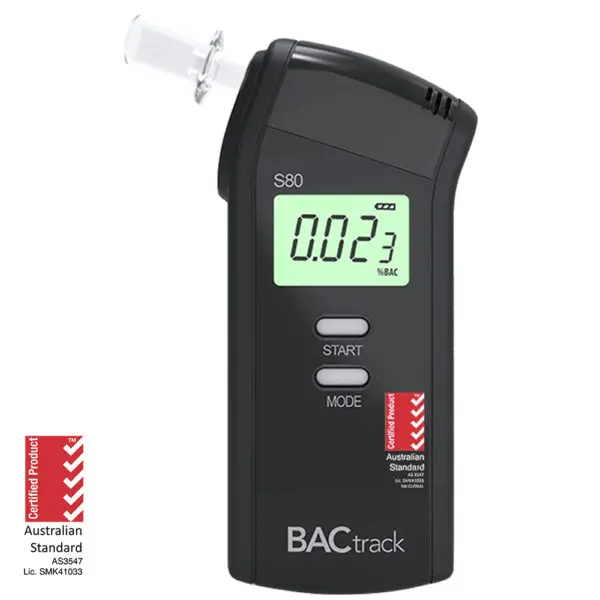
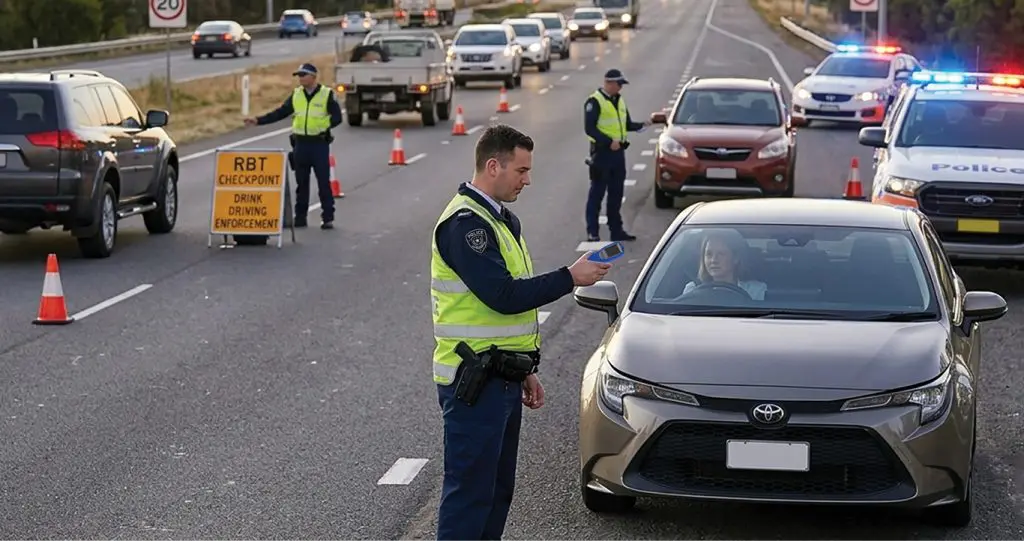
Portable breathalyzers are widely used across various industries, including transportation, mining, construction, and healthcare. They are also preferred for personal use, enabling individuals to perform their own alcohol testing.
Type 3 – Fixed Installation Devices
These devices are either permanently installed or mounted on walls at designated testing sites. They are non-portable devices.
Type 4 – Interlock Devices
These devices are designed to prevent access to vehicles or machinery, thereby enhancing safety by disabling operation when alcohol is detected.
Accuracy and Reliability
Accuracy is crucial for the success of any alcohol testing program. The AS3547:2019 Standards mandate that breathalyzers provide readings accurate to three decimal places, down to 0.000 g/210L, in environments devoid of alcohol.
This Standard also specifies Maximum Permissible Errors (MPE), indicating that for measurements ranging from 0.000 to 0.050 g/210L, the MPE must not surpass ±0.005 g/210L, while for readings exceeding 0.050 g/210L, the MPE is restricted to ±10% of the measured value.
Such specifications are vital for guaranteeing the reliability and consistency of test outcomes, and devices must maintain their accuracy for at least six months before they need recalibration.
Results should be produced within 1 minute unless the level surpasses 0.100 g/210L, in which case up to 3 minutes may be allowed for recycling.
The AS3547:1997 Standard was confined to personal use, while the AS3547:2019 Standard broadens its application to encompass workplace, medical, and vehicle interlock devices. These are based on the revised AS3547:2019.
Calibration of Devices
Workplace Drug & Alcohol testing policies will specify the calibration interval, which will vary from 6 to 18 months, depending on the device. Regular calibration and maintenance are critical to ensuring long-term accuracy. The general guideline is to calibrate devices on an annual basis.
Environmental
Under the AS3547 Standard, breath testers are subjected to stringent testing against a variety of environmental conditions to verify their accuracy and durability. Devices must operate within established temperature and humidity ranges, withstand battery fluctuations, shock and vibration, and resist electrical disturbances. Testing also evaluates resistance to electrical interference and cross-sensitivity to substances such as acetone, carbon monoxide, and methanol.
Reliable Data
Devices that are certified under AS3547 must ensure the protection of alcohol test records from any modifications or overwriting. This requirement bolsters accountability and reduces the risk of fraudulent alterations of test results in workplace environments.
While obtaining certification under the AS3547 Standard is not legally required for breathalyzers, securing this certification provides assurance that the device has undergone comprehensive testing in accordance with rigorous quality standards. Typically, workplace policies concerning drug and alcohol testing will specify the necessity for such certification.
The Previous Edition of Australian Standard AS3547:1997 Certification Remains Valid
The prior edition of the Standard continues to be valid, and the 2019 revision is only necessary if your workplace requires this update. It is crucial for workplaces to maintain an up-to-date drug and alcohol testing policy that delineates company procedures.
Further information:
• How to verify certification: Claims of certification should be confirmed through the SAI Global register (saiglobal.com), which serves as the sole authoritative source.
• Passive must be followed by active: If passive screening indicates the presence of alcohol, an active mouthpiece test must be conducted to achieve a certified result. Passive testing alone is never adequate for compliance or disciplinary actions.
• Calibration is mandatory: A device that is out of calibration cannot be trusted for any workplace or compliance-related purposes. AS3547 mandates that accuracy be upheld throughout the entire minimum calibration period of six months.
This information is intended solely as a guide. It is advisable to seek independent counsel when making decisions.

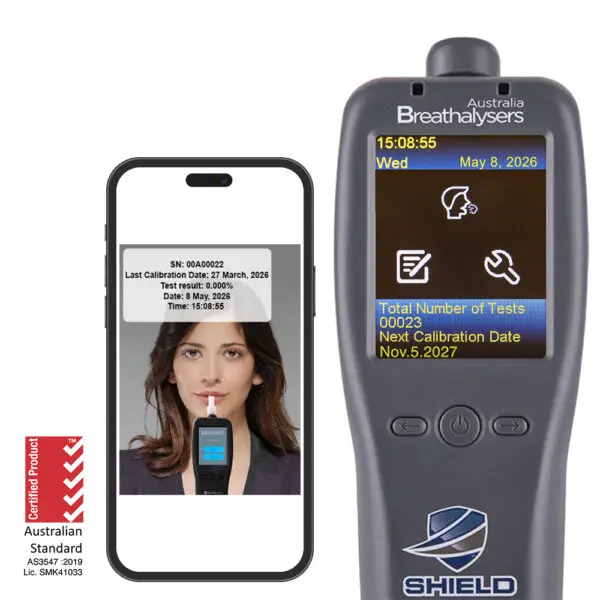
Australian Standards Certified
Breathalyzers New Zealand is an Australian Standards-certified company that produces Australian Standards-certified products.
Explore Our Range of Australian Standard Compliant Breathalyzers