
AS/NZS 4760:2019 Australian Standard and New Zealand Standard for Oral Drug Testing
AS/NZS 4760:2019 New Zealand Standard for Oral Drug Test
Oral fluid (saliva) drug testing has emerged as a prevalent method for workplace drug screening throughout Australia and New Zealand. This approach is practical, non-invasive, and can be performed almost anywhere on-site, eliminating the necessity for a private facility or extended wait times. Developed by Standards Australia and Standards New Zealand through their Joint Technical Committee (CH-039), which includes toxicologists, forensic specialists, employer associations, employee unions, and pathological organisations from both countries.
The AS/NZS 4760:2019 establishes a standardised framework that regulates the collection, screening, and confirmation of oral fluid specimens, ensuring that the results are both reliable and legally valid. To obtain this certification, the product must undergo testing by an independent organisation to verify its full compliance with the standard.
The procedures for collecting and testing oral fluid for drugs, along with its packaging and transportation to a laboratory, are comprehensively detailed. This encompasses the significance of oral fluid in drug testing and addresses common concerns related to on-site drug screening, as well as laboratory drug screening and/or confirmation.
On-site screening:
This necessitates the development of protocols, which include quality controls, proficiency evaluations, validation of collection, testing, and transportation equipment to ensure they are appropriate for their intended purposes, along with training based on competency. The Standard outlines the procedures for completing each step.
A negative result is defined as being below the relevant cut-off concentration, while a not-negative (unconfirmed) result refers to a screening test result that meets or exceeds the relevant cut-off concentration, therefore not ruling out the presence of a drug or class of drugs. A not-negative result may be labelled as ‘unconfirmed’ or ‘requires further testing’.
Privacy protocols for the collection and screening of oral fluid specimens must ensure individual privacy. The collection process shall be observed by the collector, and security measures should be implemented for specimens that necessitate laboratory testing to maintain the integrity of the specimens during onsite storage and transportation.
Collection and testing must only proceed after the donor has signed a written informed consent form. This form may exist as a separate document from the chain-of-custody form or as part of it.
Chain-of-custody forms must be filled out by both the collector and the donor.
The collection, handling, including preparation, and transportation of oral fluid specimens from one individual or location to another must always follow chain-of-custody procedures.
To guarantee the collection of uncontaminated oral fluid specimens and the accurate identification of the donor, it is crucial that both the donor and the collector are present during the entire collection process, as well as during any screening tests, until the labelling and sealing of the specimen(s) is completed.
Confirmatory testing of a not-negative or unconfirmed result is performed in a laboratory using a validated and appropriate mass spectrometry method. Following a not-negative result, the donor has up to three months to challenge or dispute the result. The laboratory will retain the specimen for this period to allow for any further testing or review that may be required.
Laboratory Testing:
Screening tests may be performed using immunoassay techniques or mass spectrometry. Confirmatory testing will be carried out exclusively with mass spectrometry.
The screening methods utilised in a laboratory include immunoassay and chromatography-based techniques. There are specific procedures that must be followed for each method, as outlined in the Standard.
The laboratory will have the appropriate equipment and reagent grades as specified in ISO 3696. Additionally, it will have established procedures for laboratory security, specimen reception, general acceptance criteria, reconciliation of test results, and specimen storage.
This encompasses the calibration of each batch, quality control measures, and the reporting of results. Furthermore, the laboratory is responsible for ensuring access to a qualified and experienced expert, as well as supervision by an individual with relevant higher-level education, such as a degree in the pertinent field.
The laboratory must also demonstrate its capability to interpret results accurately and reliably detect drugs at the specified cut-off concentrations listed in the table below for both types of screening.
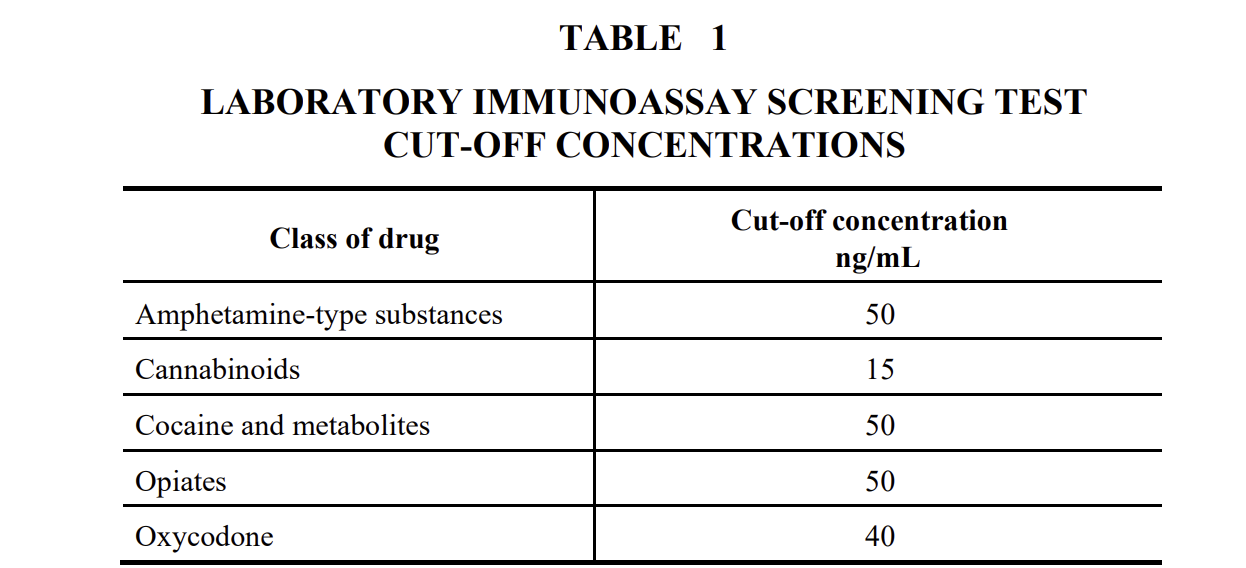
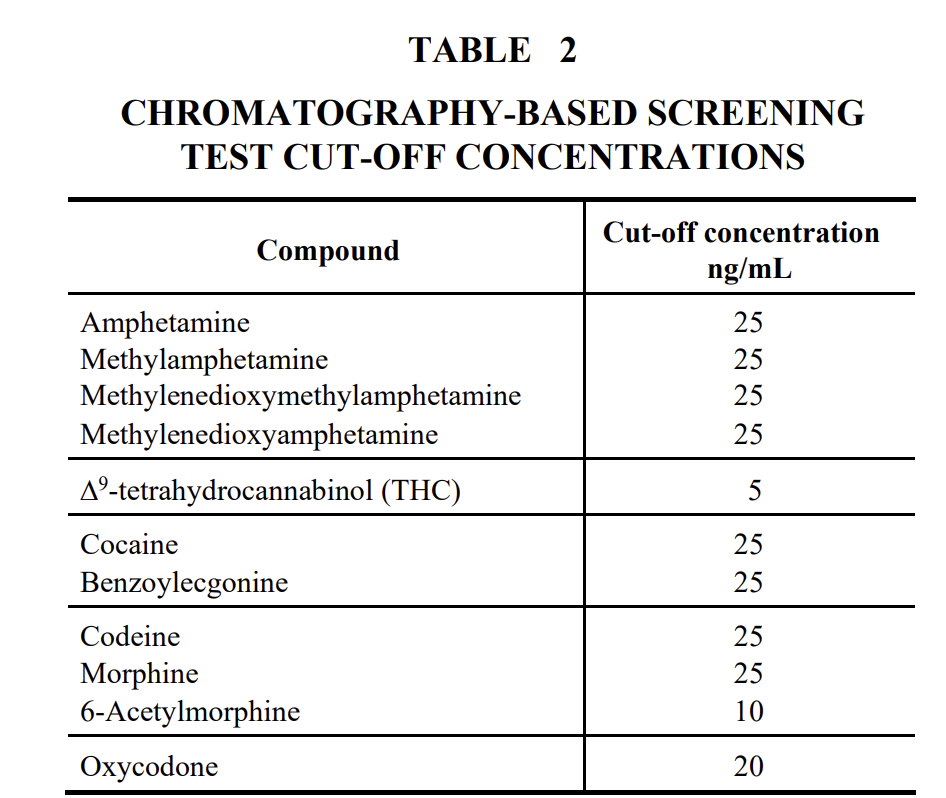
Finally, the laboratory is required to submit a test report containing specific information, which must be securely stored for a duration that aligns with the requesting authority’s policy or in accordance with the National Pathology Accreditation Advisory Council (NPAAC) Guidelines or equivalent.
AS/NZS 4760:2019 sets a standard for oral fluid drug testing in Australian/New Zealand workplace environments. It aims to ensure reliability, consistency, and defensible results, rather than just establishing compliant procedures.
This information is intended as a guide only. It is advisable to seek independent counsel when making decisions.
Australian Standards Certified
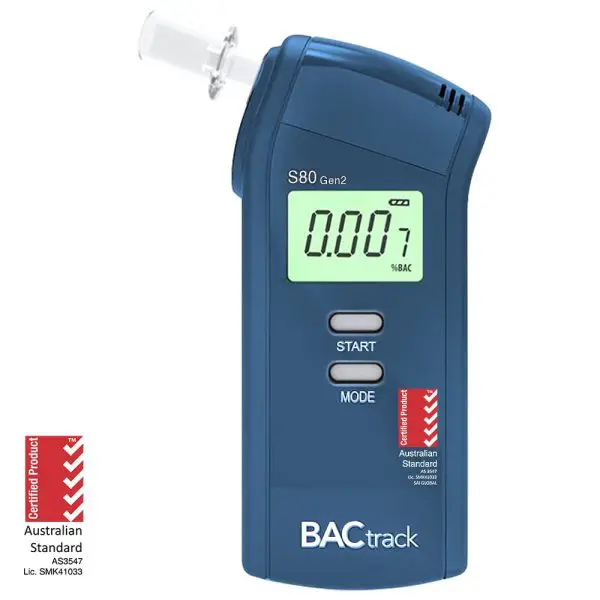
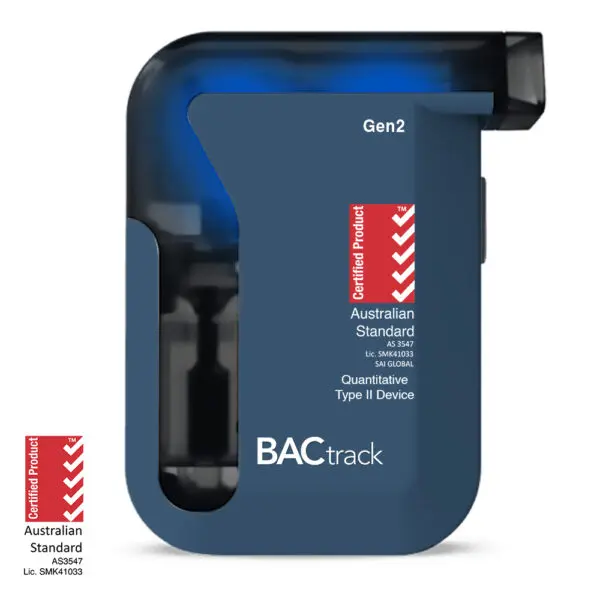
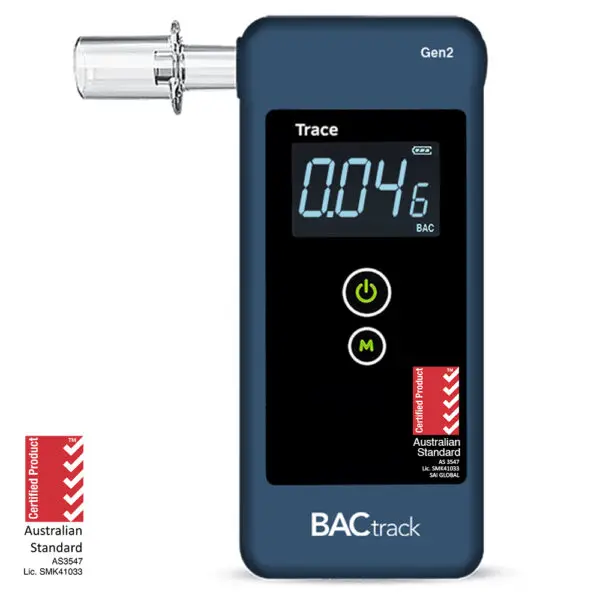
Breathalyzers New Zealand is an Australian Standards-certified company that produces Australian Standards-certified products.
Frequently Asked Questions
We have 2 x shipping options:
• Uninsured: $12.97
• Insured: $14.97
Each of our breathalyzers comes with a warranty that varies between 12 and 36 months. To submit a warranty claim, please log in to your account.
All orders submitted prior to 9am each weekday will be shipped on the same day.
To help you choose the right product for your needs, please click on the blue “Help Me Choose” button located at the top of every webpage. Additionally, you may refer to our three detailed Buying Guides. They can be accessed here: Personal Breathalyzer, Workplace Breathalyzer, or Workplace Drug Test Kits.
Yes. We are available to talk further about bulk order purchases. To submit an inquiry, please follow this link: Contact Us.
Purchasing drug and alcohol testing devices in bulk can lead to considerable cost reductions and enhance the efficiency of workplace testing. Organizations that routinely screen employees frequently opt to buy larger quantities to uphold compliance programs and lower the cost per test. Additionally, bulk purchasing guarantees a steady supply of stock and minimizes interruptions when testing is necessary. Breathalysers New Zealand provides discounts for bulk purchases, which can be found at the top of each of our drug testing product pages.
The market for workplace drug testing is gradually transitioning towards saliva testing, attributed to its convenience, rapid results, and enhanced capability to detect recent drug use. Urine testing, however, remains prevalent in certain workplace settings, laboratory environments, and industries that necessitate longer detection periods or historical usage assessments. Both testing methods continue to play an important role, depending on the specific requirements of the workplace and compliance mandates. We estimate that the current usage in workplaces is approximately 55% saliva testing compared to 45% urine testing.
Please review our Workplace Drug Testing Compliance Guide, which can be accessed here: Workplace Drug Test Compliance Guide.
Any organization seeking to maximise employee performance and address the risks associated with drug and alcohol use must implement clear policies. This is particularly vital in sectors where safety is paramount. Employers have a responsibility to foster a safe workplace and may develop policies to support this obligation. A clearly articulated policy helps ensure consistency across the organization and reduces the likelihood of legal consequences.
Explore Our Range of Australian Standard Compliant Breathalyzers