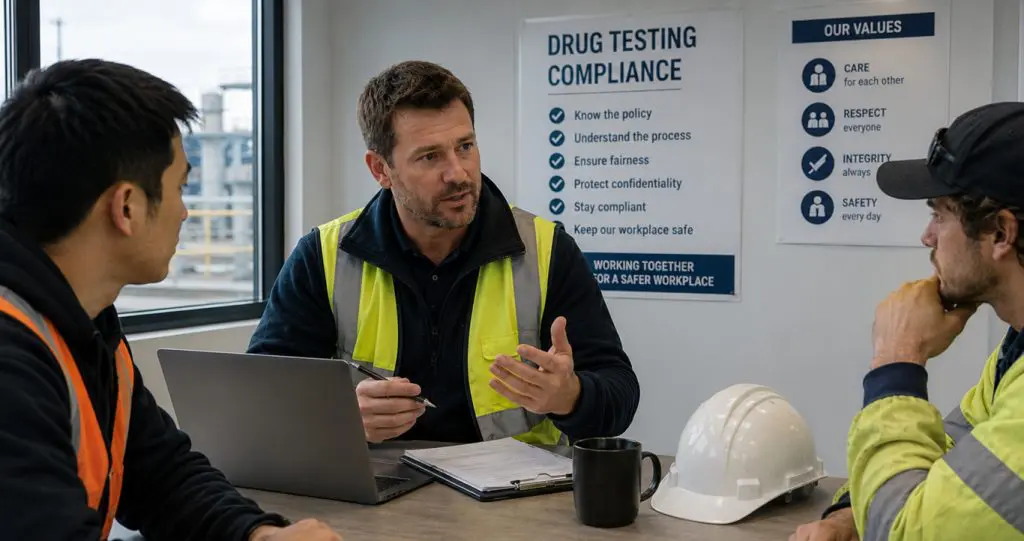
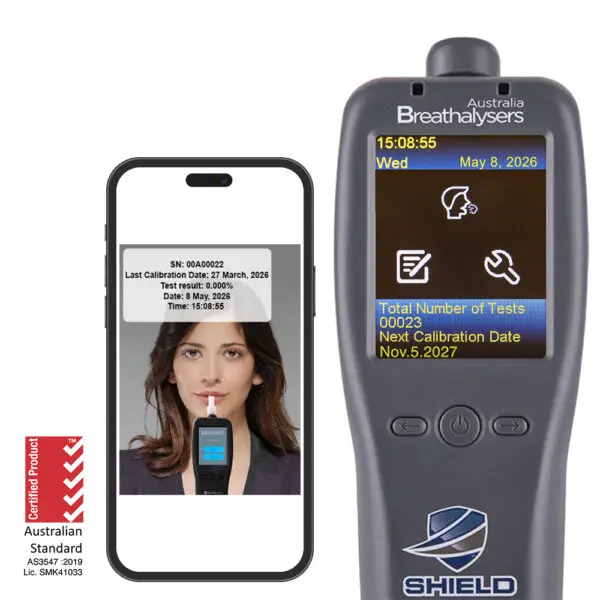
Drug Test Compliance Guide
Support in developing drug testing policies and procedures to assist with adherence to workplace health and safety regulations.
Workplace Drug Testing Compliance Guide
Governing Standards: AS/NZS 4760:2019 (Oral Fluid) | AS/NZS 4308:2023 (Urine)
1. Objective
This document outlines the compliance obligations for workplace drug testing in New Zealand. It addresses two recognized testing methodologies: oral fluid (saliva) testing in accordance with AS/NZS 4760:2019, and urine testing as per AS/NZS 4308:2023. This guide is relevant to employers, collectors, and testing service providers in sectors where drug impairment poses a safety hazard.
2. Testing Methods
Oral Fluid — AS/NZS 4760:2019
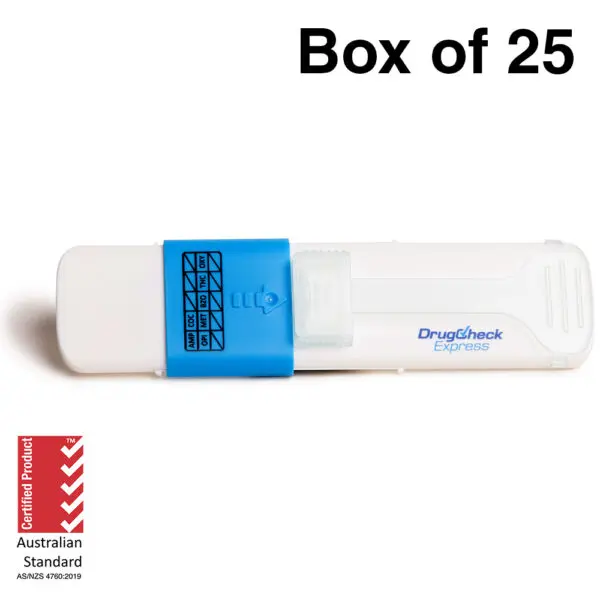
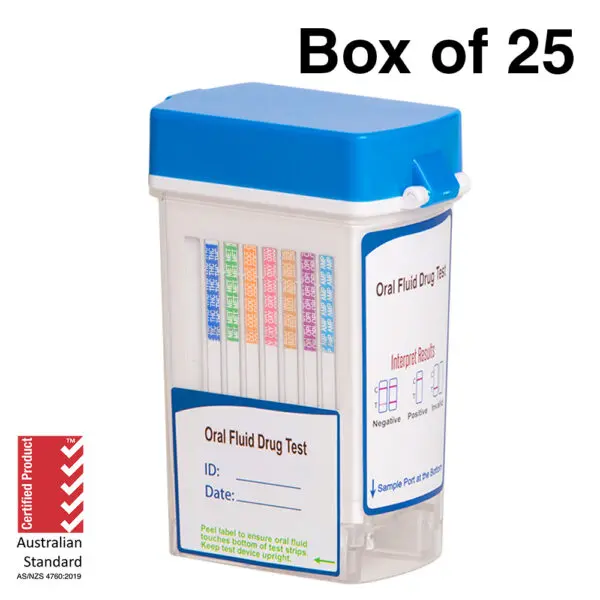
Oral fluid testing identifies recent drug usage, generally within a few hours of intake. This method is non-invasive and can be performed on-site without the need for a private collection area. It is particularly effective for post-incident and reasonable suspicion testing.
Urine — AS/NZS 4308:2023
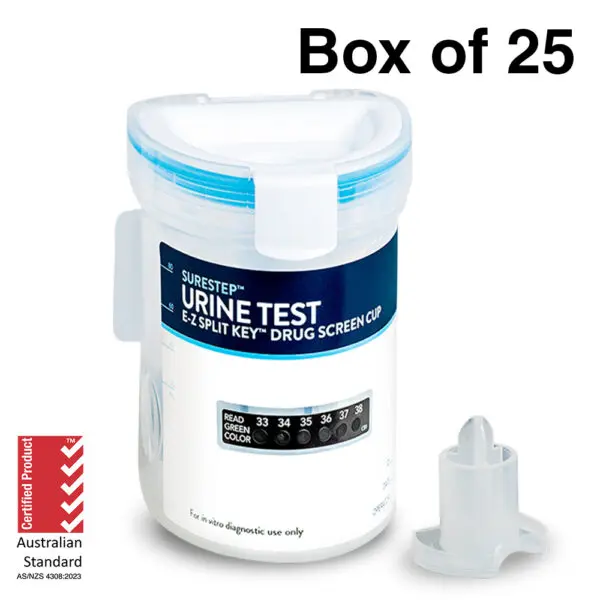
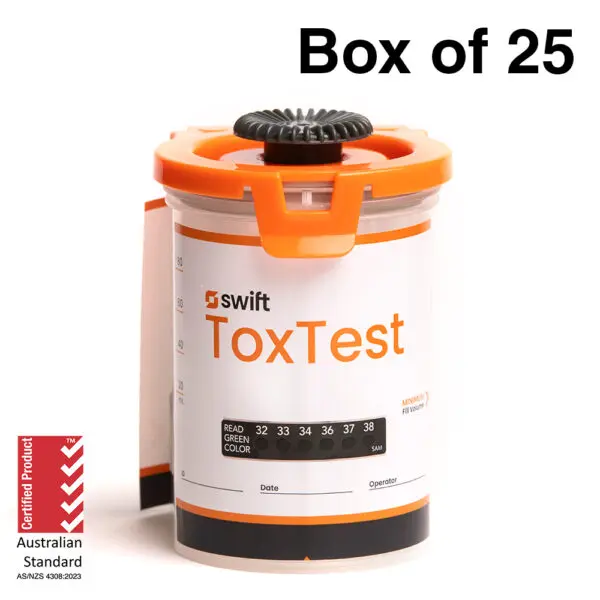
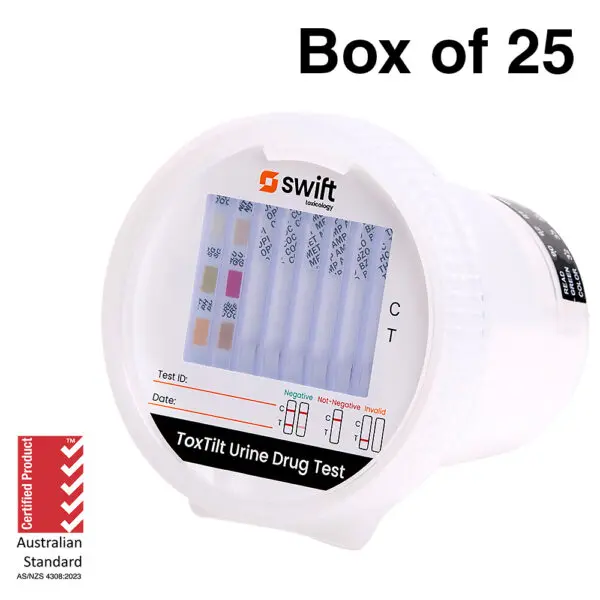
Urine testing identifies drug use over a more extended period — from days to weeks, depending on the substance involved. It is frequently utilized for pre-employment screenings and programs that necessitate a broader detection timeframe.
Both the 2008 and 2023 editions of the urine standard will remain in effect until November 2026. Please confirm with your provider which version is applicable to your program, and ensure that your on-site devices are validated against the appropriate cut-off levels.
3. Collection and Chain of Custody
These requirements are applicable to both oral fluid and urine testing.
• Secure written informed consent prior to each collection
• Clarify the purpose of the test, the substances being tested, and the intended use of the results
• Both the collector and the donor must observe the collection process
• After sealing, the donor is required to initial the specimen container
• A chain of custody document must accompany the specimen from the point of collection to the final result
• Every transfer and storage action must be documented — an incomplete chain of custody may render a result invalid
4. On-Site Screening
On-site screening offers only an initial indication. The results will be classified as either negative or not negative.
• Negative: no further action is required — document and retain
• Not-negative: does not confirm drug use or impairment — the specimen must be sent to an accredited laboratory for confirmation
No disciplinary measures or adjustments to duty should be based solely on an on-site result.
5. Laboratory Confirmation
Confirmation is conducted using mass spectrometry (GC-MS for urine; GC/MS or LC/MS/MS for oral fluid). This represents the conclusive step. A fresh aliquot from the original sealed specimen container must be utilized.
Disputed confirmation results must be communicated to both the donor and the original testing laboratory, providing the employee with a clear avenue to contest the outcomes.
6. Drug Detection Thresholds
Oral Fluid — AS/NZS 4760:2019
| Drug / Class | On-Site (ng/mL) | Lab Confirm. (ng/mL) | Detection Window |
| ATS (Amphetamines) | 50 | 25 | Up to 24 hrs |
| Cannabinoids (THC) | 15 | 5 | Up to 24 hrs |
| Cocaine & metabolites | 50 | 25 | Up to 12 hrs |
| Opiates | 50 | 25 | Up to 24 hrs |
| Oxycodone | 40 | 20 | Up to 2 days |
Urine — Key Changes in AS/NZS 4308:2023
• The threshold for cocaine screening has been lowered from 300 μg/L to 150 μg/L
• The confirmatory threshold for cocaine has been decreased from 150 μg/L to 100 μg/L
• The confirmatory threshold for benzodiazepines has been reduced from 200 μg/L to 100 μg/L
• The thresholds for cannabis (THC) remain unchanged from the 2008 standard
7. Roles and Responsibilities
Employer / PCBU
• Ensure a current drug and alcohol policy is in place that references the relevant standards
• Engage collectors who are trained according to the applicable standard
• Utilize an accredited laboratory for all confirmation testing
• Confirm that on-site devices are compatible with the current cut-off thresholds
• Maintain all records for a minimum duration of 7 years
Collector
• Possess current training and competency in accordance with the applicable standard
• Secure written informed consent prior to each collection
• Preserve chain of custody documentation throughout the process
Send not-negative specimens to the laboratory promptly
Employee
• Adhere to the workplace drug and alcohol policy
• Have the right to have a support person present during testing
• Have the right to disclose relevant prescribed medications
8. Record Keeping and Privacy
• Test log: includes date, time, collector ID, specimen ID, method, result, and outcome
• Chain of custody: must be retained for all specimens
• Incident log: records not-negative results, confirmation outcomes, and actions taken
• Device validation records: details of on-site devices and the standard version against which they were validated
• Minimum retention period: 7 years (in accordance with the WHS Act)
All results constitute health information safeguarded by the Privacy Act 1988. Access to these results is restricted to authorized personnel only, and they must be securely stored, distinct from general employment records.
9. Regulatory References
• AS/NZS 4760:2019 — Oral fluid drug testing
• AS/NZS 4308:2023 — Urine drug testing (current)
• AS/NZS 4308:2008 — Previous urine standard, valid until November 2026
• Work Health and Safety Act 2011
• Privacy Act 1988 T
This information is intended solely as a guide. It is advisable to seek independent counsel when making decisions.
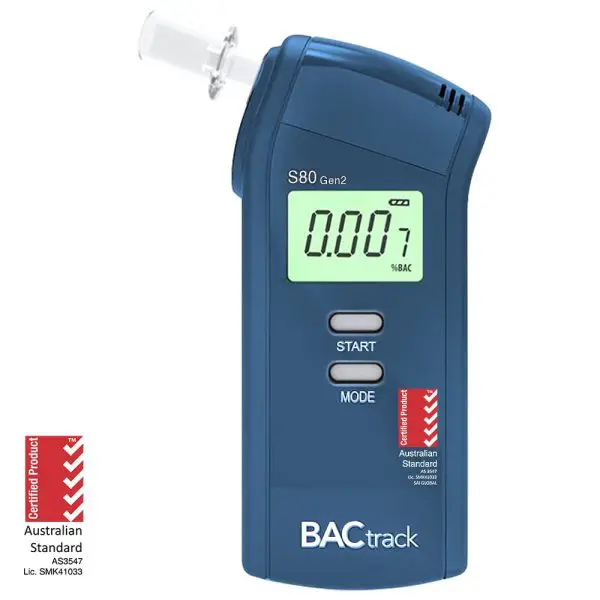
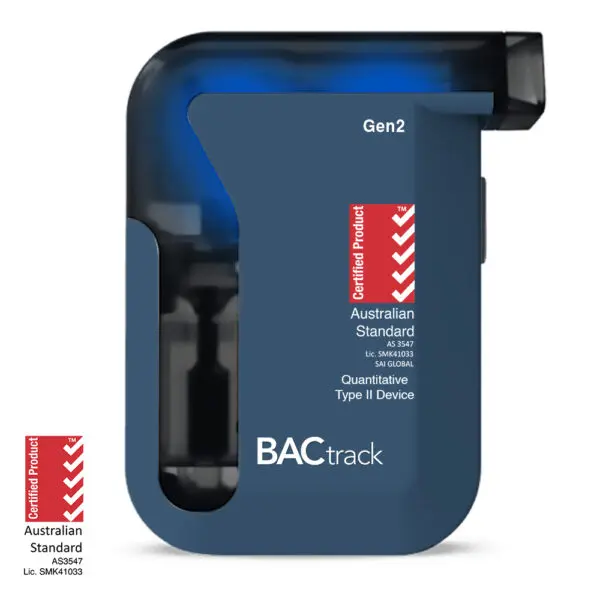
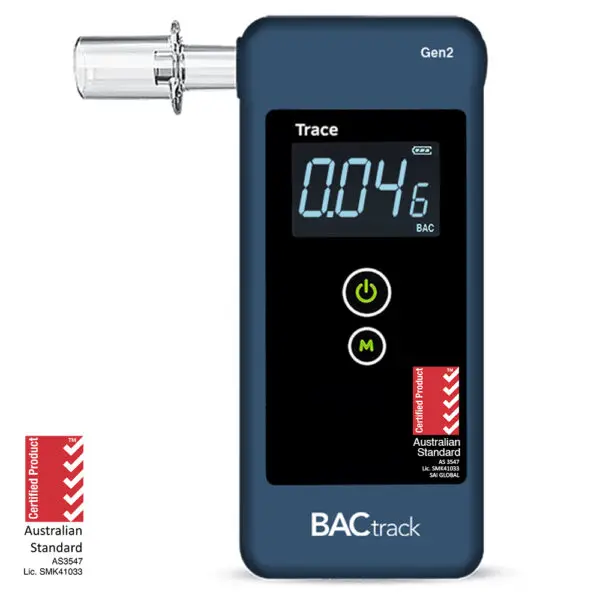
Australian Standards Certified
Breathalyzers New Zealand is an Australian Standards-certified company that produces Australian Standards-certified products.
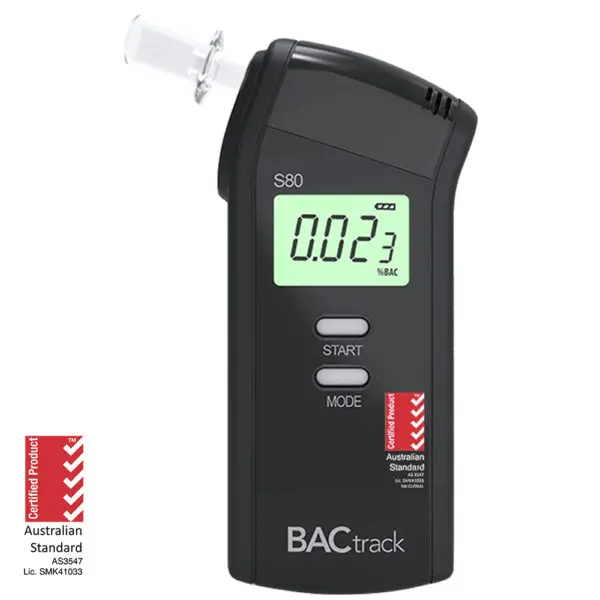
Explore Our Range of Australian Standard Compliant Breathalyzers